


What happens if you drink a glass or two of wine after taking antibiotic tablets?When can I drink alcohol?How many hours or days after taking antibiotics can you drink alcohol to avoid damaging your health?
antibiotics and alcohol
An inevitable consequence of using alcohol and antibiotics is a decrease in the effectiveness of the treatment.When consuming alcoholic beverages, inflammatory processes occur in the intestines and local immunity decreases.
At the same time, there is an increase in antibiotic-related diseases in the intestines caused by taking antibiotics.
Violation of drug concentration

Antibiotics begin to work after reaching a high enough therapeutic concentration in the blood.As a result of consuming alcoholic beverages, the amount of drugs in the body decreases.
When they try taking antibiotics while drinking, the drug may be viewed as pointless or even dangerous.
Violation of the treatment regimen and reduction of drug concentrations increase the resistance of pathogenic microflora to the action of antibiotics.The disease itself treated with antibiotics may turn from acute to chronic.
Drug concentrations are reduced because the nephrotoxic metabolites of ethanol and acetaldehyde disrupt the reabsorption process of nutrients in the renal tubules.
Water reabsorption is also impaired, thereby increasing blood viscosity, and the concentration of antibiotics in the blood can change in the most unpredictable ways.
Metabolic Characteristics
Antibiotics are drugs that are metabolized in the liver.The liver is busy processing ethanol and does not have time to neutralize all possible intermediate metabolites of the drug.
In addition, ethanol can also affect the activity of liver enzymes and even directly react with antibiotics or their metabolites.These properties manifest themselves differently among antibacterial drugs.
One of the most dangerous features of mixing drugs with ethanol is the interaction between these compounds and a disulfiram-like reaction.
Let's find out whether it is possible to drink alcohol, beer while taking antibiotics, after that there is no danger in drinking alcohol, after that it is absolutely prohibited.
disulfiram-like reaction

Disulfiram reaction is used to characterize alcohol intoxication, which is associated with nausea, convulsions, coughing, vomiting, shortness of breath, and a drop in blood pressure.
Similar effects often occur when taking medications with ethanol.
Here's a list of which antibiotics you shouldn't drink after taking them and for how long.
The consequences of taking ethanol during antibiotic therapy are dose-dependent.
When you can drink alcohol after taking a pill or injection of antibiotics is calculated based on the time it takes for the antibiotic to be eliminated from the body.
antibiotic list
Do not drink with alcohol:
- Nitroimidazole drugs - do not mix with alcohol within 48 hours (drugs can react like disulfiram);
- Cephalosporins - The chemical structure of this group is similar to that of the disulfiram molecule, which reacts like disulfiram with ethanol.You can drink alcohol every other day; if you have kidney failure, the intervals will be longer;
- Fluoroquinolones - Synthetic antibiotics that depress the nervous system and may cause coma.Drinking alcohol should not be consumed earlier than 1.5 days later;
- Tetracyclines - High risk of damage to liver hepatocytes; they are excreted from the body over a long period of time.You can drink alcohol after 3 days;
- Aminoglycosides have ototoxicity, nephrotoxicity, increased drug side effects, and increased drug toxicity.Drinking time should not be earlier than 0.5 months;
- Lincosamide - central nervous system and liver are affected, disulfiram reaction occurs.You can drink alcohol 4 days after treatment;
- Macrolides - Increased risk of cirrhosis, especially when taking erythromycin, as they are slowly eliminated from the body.You can drink alcohol after 3.5 days;
- Antituberculous drugs—can cause drug-induced hepatitis with a fulminant course.No alcohol allowed!
Antimicrobials are eliminated at different rates in different environments in the body.Therefore, if aminoglycosides are eliminated from the blood of adults in an average of 2.5 hours, elimination from inner ear fluids may take up to 350 hours.
If we take into account the ototoxicity of aminoglycosides, it is easy to understand that drinking alcohol within 2 weeks of treatment can cause deafness.
interactive
During antibiotic treatment and alcohol consumption, a disulfiram-like reaction occurs because the synthesis of enzymes that break ethanol molecules into simpler substances is blocked.
The result is an increase in blood concentrations of acetaldehyde, an intermediate breakdown product of ethanol.The ethanol metabolite acetaldehyde is more toxic than ethanol itself.
The lack of liver enzymes caused by liver toxicity will lead to a reduction in the synthesis of norepinephrine, which is why the symptoms of poisoning are more obvious and unbearable the next morning.
as a result of
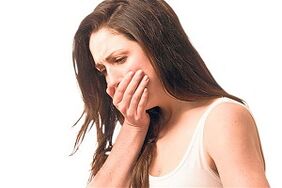
The combination of small doses of alcohol and medications may not cause any symptoms, but when larger doses of alcohol are consumed, the side effects of both medications and ethanol increase.
One of the most dangerous consequences of combining alcohol with antibiotics is a disulfiram-like reaction.The danger with this condition is that it is masked by alcohol intoxication and is not recognized by others as a distress signal.
A disulfiram reaction is caused by elevated concentrations of acetaldehyde in the blood and manifests itself in the following symptoms:
- heartbeat;
- Nausea, vomiting;
- hot flashes, feeling of heat;
- Dizziness;
- stomach ache;
- The pressure dropped dramatically.
If the patient's blood alcohol content exceeds 125 mg/100 ml and does not receive timely help, it may even lead to death.
How to combine
Certain medications should never be combined with any dose of ethanol:
- Nitroimidazole;
- Cephalosporin group;
- Fluoroquinolones;
- Aminoglycosides.
How many days can you drink alcohol after taking antibiotics?Can treatment be temporarily interrupted?
It is best not to mix antibiotics and alcohol and not to take ethanol during treatment.If for some reason this is not possible and you have to drink alcohol, you can use a special alcohol calculator to calculate how long it will take after drinking antibiotics.
Alcohol calculators take into account a person's weight, quantity and intensity of alcohol consumption.Therefore, for a man weighing 70 kg, 100 grams of vodka will be completely eliminated from the body in 5.8 hours, and 200 grams of beer will be completely eliminated in 1.44 hours.
It must be taken into account that all these calculations are approximate and the actual elimination rate from the body depends not only on the properties of these compounds, but also on the condition of the kidneys, intestines and liver.
in conclusion
It takes 1 to 3.5 - 5 days for antibacterial drugs to be completely eliminated from the body.Elimination time depends on the person's health, age and metabolic characteristics.
In most cases, drinking alcohol while taking a course of antibiotics can reduce the effectiveness of the treatment, increase drug side effects, trigger disulfiram-like reactions, and have serious consequences.